

The living room is where life happens.
It’s where you sit with a morning coffee, host guests, watch a favourite film, and spend quality time together at the end of the day. And yet, it’s also one of the rooms where people most often feel something is off even when they’ve invested in beautiful furniture.
If your living room feels cluttered, awkward, or smaller than it should, it’s rarely because you’ve chosen the wrong style. More often, it comes down to living room furnishing mistakes, subtle missteps in layout, scale, and furniture placement that affect how the space feels and functions.
As interior designers, we see these common mistakes time and time again: sofas pushed too far apart, coffee tables that are either too large or too small, rugs that don’t quite anchor the space, or seating arrangements that make conversation feel forced rather than natural.
A beautiful living room isn’t about filling the space with all the furniture. It’s about choosing the right pieces, in the right scale, and placing them in a way that supports comfort, traffic flow, and connection.
In the sections that follow, we’ll walk through the biggest living room mistakes people make, from ignoring the focal point to overcrowding floor space and share practical guidance that can make a huge difference to how your living room looks and feels.
Sometimes, a few thoughtful adjustments are all it takes to unlock a room’s full potential.

Mistake #1: Getting the Living Room Layout Wrong
One of the biggest and most common mistakes people make when furnishing a living room is starting with furniture before thinking about layout.
It’s understandable. You fall in love with a sofa, choose a beautiful coffee table, add a rug… and only then realise the room feels awkward, cramped, or difficult to move through. This is often where a space begins to feel chaotic rather than calm.
A good living room layout should support how you actually use the space. It should allow for easy traffic flow, encourage conversation, and make the room feel balanced not blocked or overly formal.
Prioritising Traffic Flow
A living room should be easy to walk through without constantly navigating around furniture. If you find yourself squeezing past the edge of a sofa, stepping around side tables, or walking directly in front of the television, the layout likely needs rethinking.
As a good rule:
- Leave clear walkways between seating and entry points
- Avoid placing large furniture pieces where they interrupt natural movement
- Ensure there’s space to walk around the furniture, not just between it
When traffic flow is ignored, even a large living room can feel smaller than it really is.
Seating That Supports Conversation
Another common issue is seating arrangements that don’t encourage connection. Sofas and chairs pushed too far apart or all lined up against the walls can make a living room feel disconnected and impersonal.
Instead, think about how people will:
- Sit and talk
- Place a drink on a coffee table
- Turn toward one another comfortably
Bringing seating closer together (while still allowing enough space to move) often makes a huge difference to how welcoming a room feels.
Scale and Balance Matter
Choosing furniture that’s the wrong scale for the room is a big no-no. A sectional sofa that overwhelms a smaller living room, or tiny occasional chairs floating in a large space, can throw off the entire balance.
The goal is not to fill every corner, but to create a layout where the furniture feels proportionate allowing the room to breathe while still feeling functional and complete.
Start With the Layout, Always
Before selecting new furniture, it’s worth taking the time to:
- Map out the layout of the room
- Identify walkways and focal points
- Consider how many people need seating regularly
When the layout works, everything else from furniture selection to styling falls into place more naturally.

Mistake #2: Choosing the Wrong Rug Size
If there’s one furnishing decision that can completely change how a living room feels, it’s the rug. And it’s also one of the most common places people go wrong.
A living room rug that’s too small will instantly make the space feel disconnected and unfinished no matter how beautiful the furniture is.
The Most Common Rug Mistake
In many homes, the rug sits floating in the middle of the room, barely touching the sofa or chairs. This creates the illusion that the furniture doesn’t belong together and makes the space feel smaller than it actually is.
A rug’s job is to anchor the furniture and define the living space. When it’s undersized, it does the opposite.
A Simple Rule That Makes a Big Difference
As a general guideline:
- The front legs of the sofa and chairs should sit on the rug
- In larger rooms, all furniture pieces can sit fully on the rug
- In smaller living rooms, a large rug still works better than a small one
A big rug creates cohesion. A small rug fragments the space.
Why Scale Matters More Than Pattern
Many people choose a rug based on colour or pattern first, then try to make the size work. In reality, scale should always come first.
A well-sized rug:
- Makes the room feel more spacious
- Helps define seating arrangements
- Creates visual calm
- Makes even simple furniture feel more intentional
If your living room feels slightly “off,” upgrading to the right rug size can make a surprisingly huge difference often without changing anything else.

Mistake #3: Too Many Focal Points
Every living room needs a focal point. When there are too many, the space can feel busy, unsettled, and visually exhausting.
A focal point gives the room somewhere to rest. It anchors the layout and helps guide furniture placement. Without it, or with too many competing elements, the living room can feel chaotic even when the furniture itself is beautiful.
Common focal points include a fireplace, a television, a large window, or a statement piece of furniture. Problems arise when several of these compete for attention at once.
For example, a television placed off to one side, a bold artwork on another wall, and a dramatic light fitting overhead can all pull the eye in different directions. The result is a room that never quite feels resolved.
A good living room layout usually works best when there is one clear focal point and everything else supports it.
Furniture placement should respond to that focal point. Seating should be arranged to face it comfortably. Coffee tables and rugs should reinforce it. Decorative elements should enhance it rather than fight for attention.
If your living room feels unsettled or visually noisy, simplifying the focal point is often the first step toward restoring balance.

Mistake #4: Furniture That Is the Wrong Scale
Scale is one of the most overlooked aspects of furnishing a living room, and it makes a huge difference to how the space feels.
Furniture that is too large can overwhelm a room and make it feel cramped. Furniture that is too small can feel lost and leave the space looking unfinished or poorly planned.
This often shows up with sofas. A large sectional sofa in a little room can dominate the floor space and interrupt traffic flow. On the other hand, a small couch floating in a larger living space can feel disconnected and insubstantial.
The same applies to coffee tables, side tables, and chairs. Pieces need to relate to one another in size and proportion so the room feels balanced.
A good rule is to consider how each piece sits in relation to the room and to the other furniture around it. The coffee table should be easy to reach from the sofa. Side tables should sit comfortably beside seating without towering over it or disappearing next to it.
When furniture is the right scale, the living room feels calm and functional. When it is not, even high-quality pieces can make the space feel awkward.
If your living room never quite feels right, stepping back and reassessing the scale of your furniture is often more effective than adding more pieces.

Mistake #5: Pushing All the Furniture Against the Walls
One of the most common living room furnishing mistakes is pushing all the furniture up against the walls in an attempt to create more space.
While this might seem logical, it often has the opposite effect. The room can end up feeling empty in the middle, disconnected, and less inviting.
Living rooms work best when furniture is arranged to create a defined seating area. Pulling the sofa, chairs, and coffee table slightly away from the walls helps establish a sense of purpose and encourages conversation.
Even in a smaller living room, floating furniture can make the space feel more considered. The key is balance. Leaving breathing room behind larger pieces while anchoring them with a rug helps the room feel intentional rather than scattered.
This approach also helps with traffic flow. Instead of skirting the edges of the room, movement feels more natural and less constrained.
If your living room feels flat or unwelcoming, try bringing the furniture inward. It is often a simple change that makes the room feel warmer and more cohesive.

Mistake #6: Not Planning Enough Seating
A living room should comfortably support the way you actually use it. One of the most common mistakes is not planning enough seating for everyday life, let alone when guests arrive.
This often happens when a room is furnished around a single sofa, with little thought given to additional seating. The space may look tidy, but it rarely functions well when more than two people are using it.
Seating does not have to mean bulky furniture. Armchairs, occasional chairs, a storage ottoman, or even a well-placed bench can provide extra places to sit without overwhelming the room.
Good seating arrangements encourage conversation and connection. Chairs should be positioned so people can face one another easily, with a coffee table close enough to rest a drink or place remote controls.
If your living room feels uncomfortable when you have guests, or if people tend to perch awkwardly rather than relax, it is often a sign that the seating has not been properly considered.
Planning for enough seating from the start helps the room feel welcoming, functional, and suited to real life.
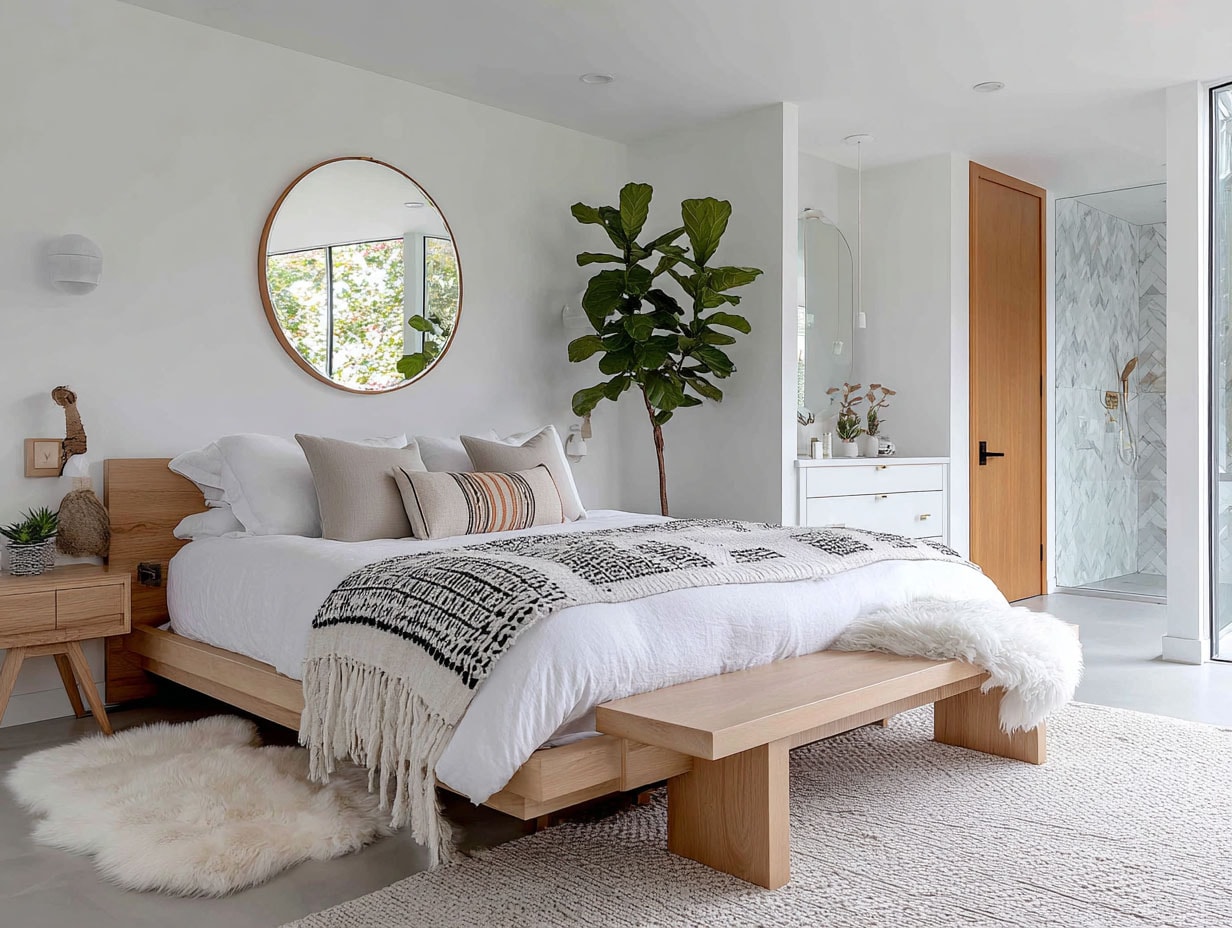
Mistake #7: Ignoring Lighting and Finishing Details
Lighting and finishing details are often treated as an afterthought, but they play a major role in how a living room feels.
A single overhead light rarely creates a comfortable or inviting space. It can make the room feel flat and harsh, especially in the evenings when the living room is most used.
Layered lighting makes a huge difference. This includes a mix of table lamps, floor lamps, and soft ambient lighting that allows the room to shift throughout the day. Lighting should support how you rest, watch television, entertain guests, and spend quiet time at home.
Finishing details matter just as much. Cushions, rugs, artworks, and side tables help soften the space and make it feel lived in rather than staged. These elements should be considered as part of the overall plan, not added randomly at the end.
When lighting and details are overlooked, a living room can feel unfinished, even if the main furniture pieces are well chosen. When they are thoughtfully layered, the room feels warm, balanced, and complete.
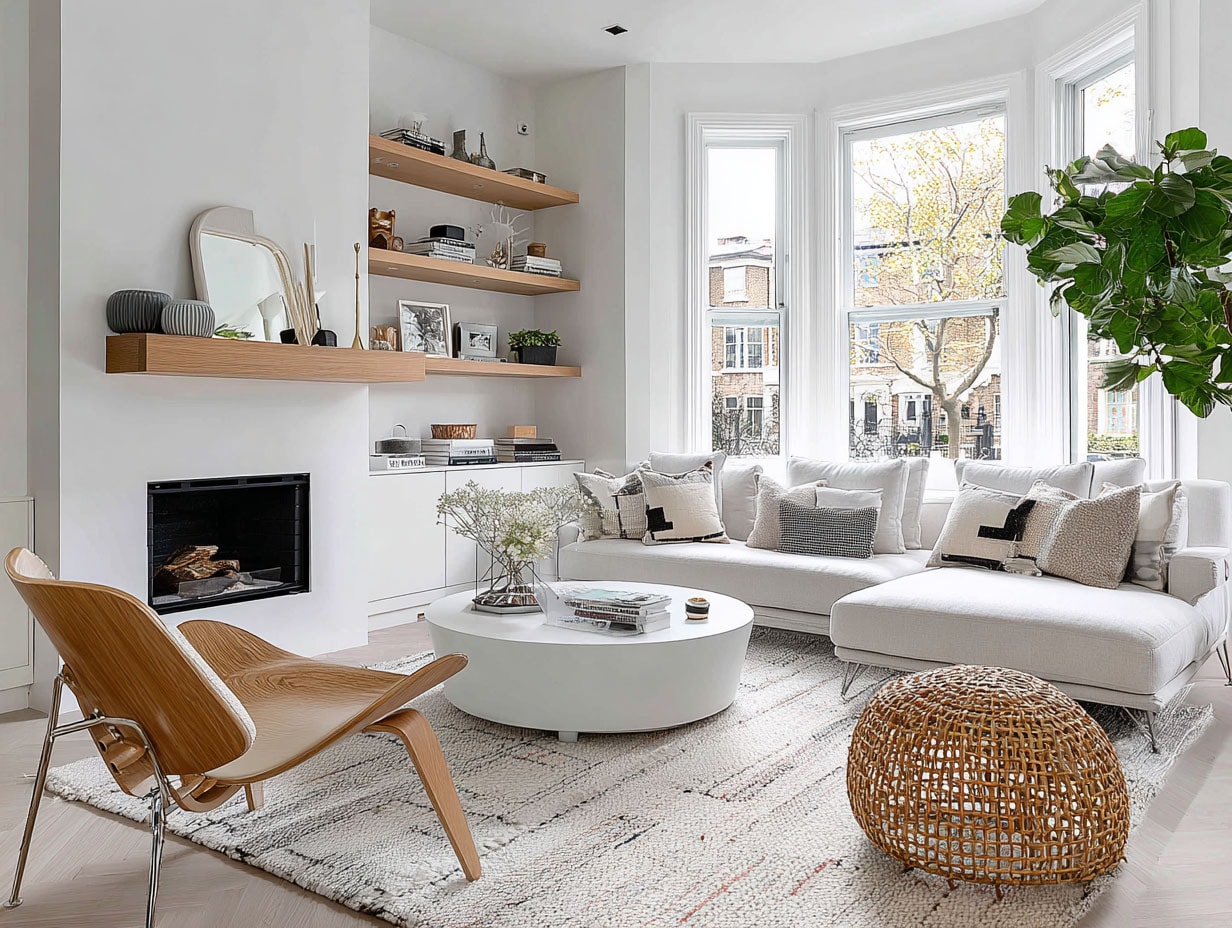
Bringing It All Together
Furnishing a living room is not about filling every corner or following a set of rules. It is about creating a space that supports how you live, rest, and connect.
The most common living room furnishing mistakes tend to come back to the same themes. Poor layout. Furniture that is the wrong scale. Rugs that are too small. Not enough seating. Too many focal points. Lighting that has not been properly considered.
None of these mistakes mean you have bad taste. They simply mean the space has not been planned as a whole.
When furniture, layout, lighting, and finishing details work together, the living room feels calm and intentional. It becomes a place where people naturally want to sit, talk, and spend time. The space feels balanced rather than cluttered, and functional rather than forced.
Often, small changes make the biggest difference. Adjusting furniture placement. Upsizing a rug. Introducing additional seating. Rethinking the layout to improve traffic flow. These refinements can completely transform how a room feels without starting from scratch.
If your living room never quite feels right, it is usually not about buying more. It is about choosing and placing what you already have more thoughtfully.
A considered approach at the beginning helps your living room reach its full potential and ensures it feels like a space designed for real life, not just for show.
If your living room feels close but not quite right, a fresh set of experienced eyes can make all the difference.